
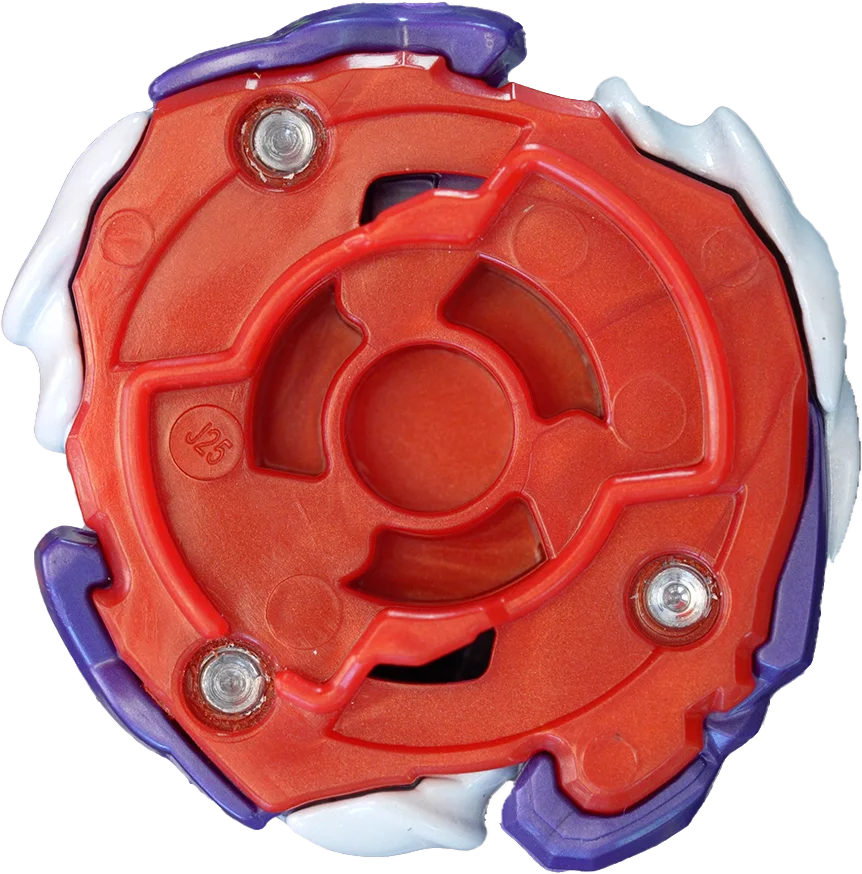

MeteorDragoon
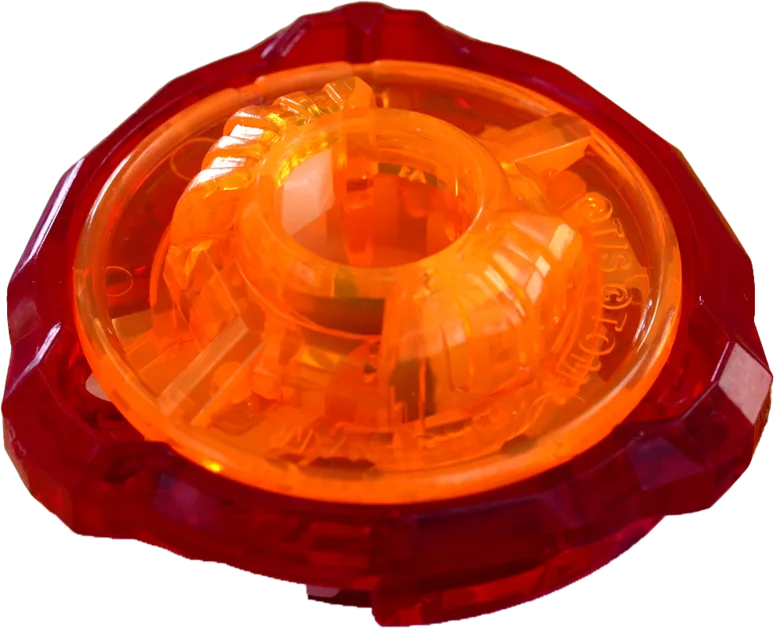
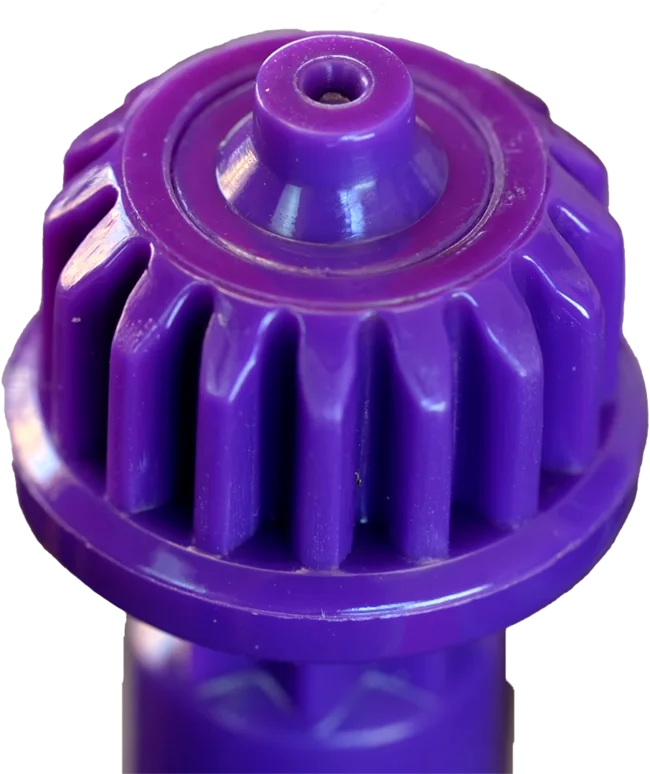
00MeteorDragoon summary
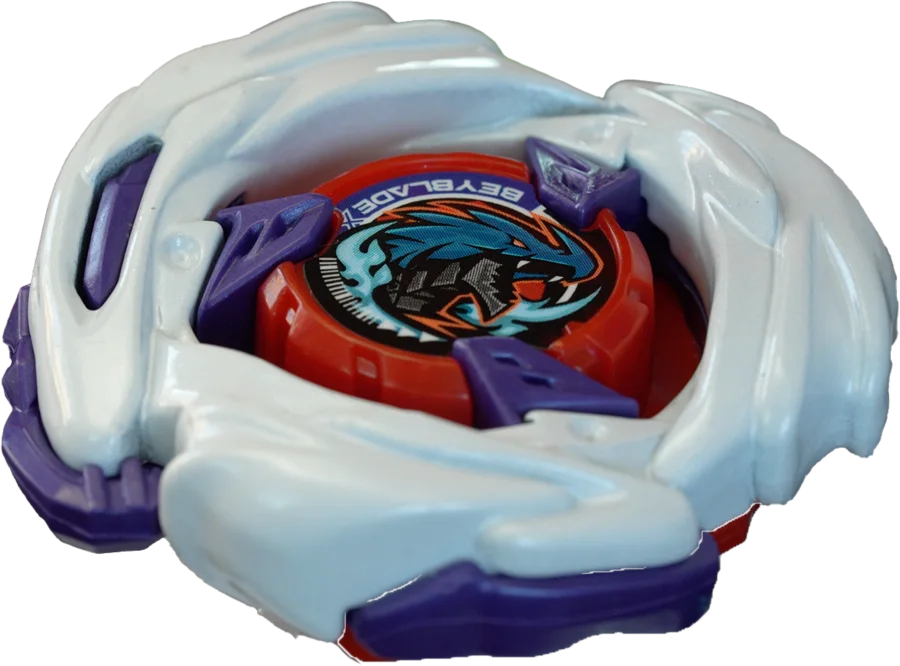
Meteoroid Dragoon (MeteorDragoon by Takara Tomy) is a 39.2 g UX Blade, released in Japan on December 27, 2025.
MeteorDragoon shattered expectations. Many were waiting for the new king of spin stealing, but instead got a violent, chaotic, and incredibly intense dragon. It’s harder to master than Buster or Impact, yet it runs fewer risks against opposite-spin matchups.
It’s less consistent than CobaltDragoon, but it rewards you with far more intensity. It may not out-spin Beys like Rod or Mirage, but it has a much higher chance of sending them flying and scoring multiple points at once.
Most importantly, its arrival adds a new layer of complexity to the competitive scene. Before, you only had to worry about one left-spin threat. Now there are two—and those must watch out for stationary tanks, which in turn must respect aggressive attackers. This pushes players to think beyond a single combo, raising the importance of deck order and, even more, intentional launching.
MeteorDragoon doesn’t inherit spin stealing—but it absolutely captures the raw intensity L-Drago promised in the anime yet never fully delivered in real life. A worthy successor to the Dragon Emperor.
01Mythology
It is based on the Draco constellation, which in Greek mythology represents Ladon, the fearsome Divine Dragon that guarded the Garden of the Hesperides.
This is a direct homage to Meteo L-Drago from the Metal Fight era, both in its overall shape and in the inclusion of rubber. That’s why it features a hexagon behind the beast, referencing the FaceBolts from that era. Even so, it also keeps the Bakuten logo on its neck, but from Dragoon it only retains the name.
02Description
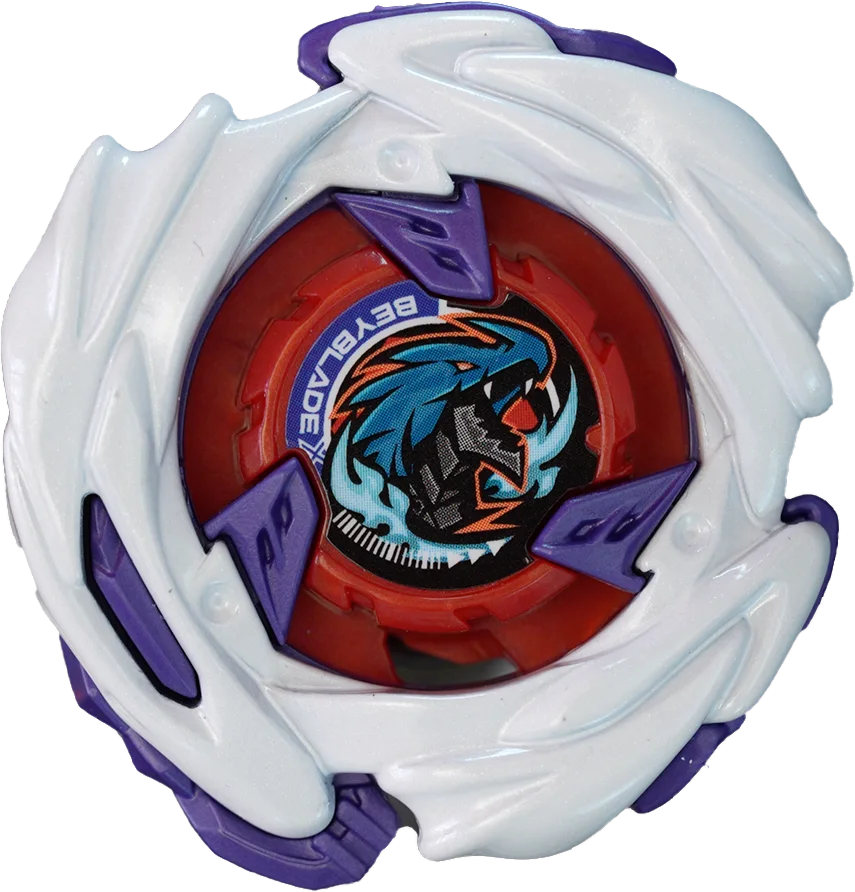
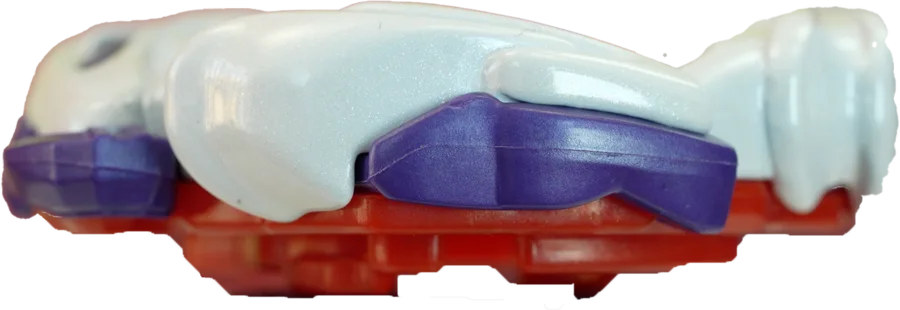
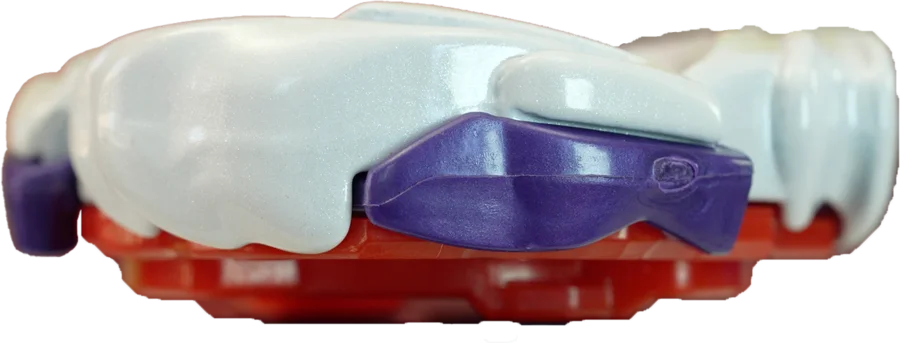
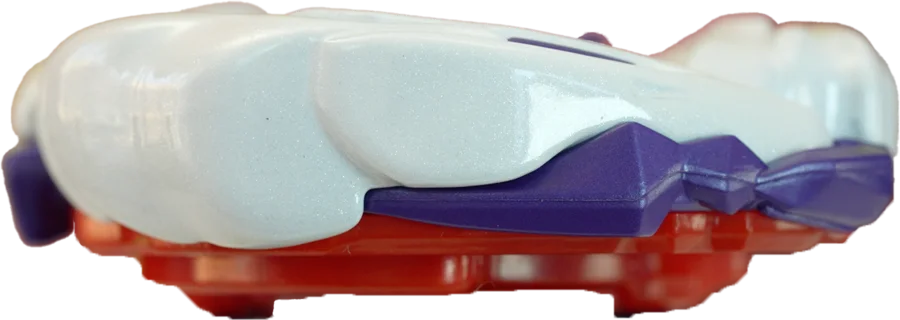
MeteorDragoon is made up of three layers: a lower plastic layer where the Ratchet fits, a middle rubber layer that only peeks out in small sections, and an upper white metal layer. Because of this, it sits noticeably higher than a typical UX/BX Blade, significantly raising its center of gravity.
It is divided into three dragon heads formed by the combination of metal and rubber, almost replicating Meteo L-Drago’s design. Each head is a different size and progressively longer than the last, making it completely asymmetrical and naturally unstable.
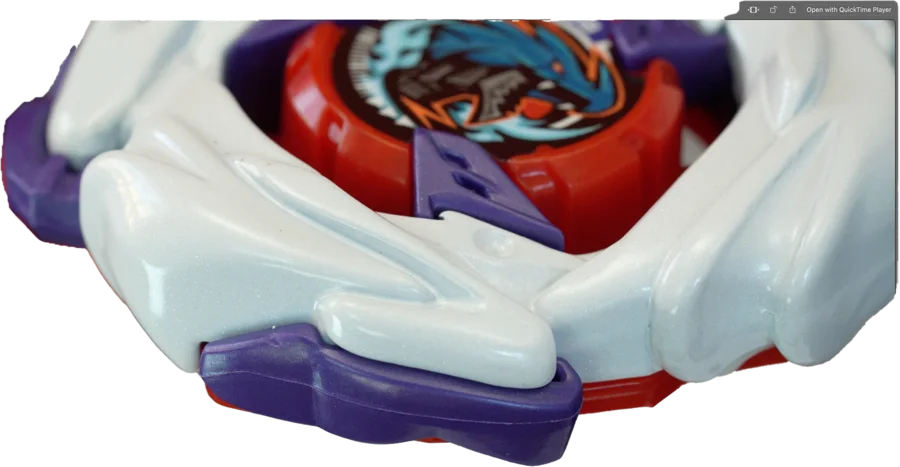
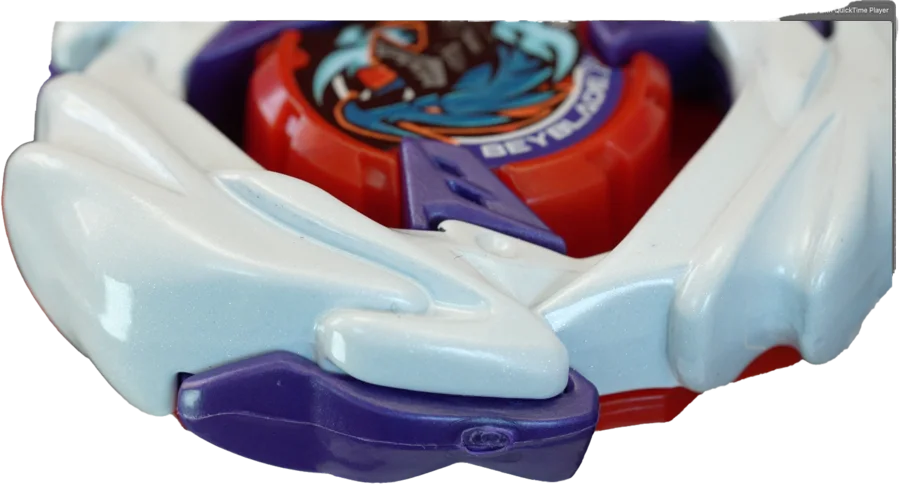
The front of the main head is the thinnest, creating a steep slope, with the largest rubber coverage thanks to its wider, rectangular shape. The smaller heads, on the other hand, are taller but narrower at the front, forming much more exposed and aggressive points. This is especially noticeable due to the spacing between them: the main head sits much closer to the rear of the smaller one, reducing the space where opponents can land clean hits.
03Performance
Even though it’s a direct homage to Meteo L-Drago¹, MeteorDragoon plays completely differently.
Its predecessor was the emperor of spin stealing because its base was metal, the plastic sat on top, and the rubber was sandwiched between both layers, pushing the weight downward and giving it outstanding stability. On top of that, it was light, easy to move even with the smallest touch, and despite having little rubber, it was always positioned perfectly to take constant hits. Because of this, it could steal spin even with a hand launch, although its impact power was extremely low.
MeteorDragoon is the exact opposite.
At 39.2 grams, it’s one of the heaviest Blades in the system, which already makes it harder to get moving, even with the rubber’s friction. On top of that, the metal sits above the plastic, raising the center of gravity a lot and making it far more unstable. The rubber is placed underneath and isn’t evenly distributed around the perimeter, which makes its contact highly inconsistent. Add to that its asymmetrical shape, which further hurts stability and causes heavy wobbling, especially in the late game, preventing it from holding a reliable upright posture to steal spin effectively.
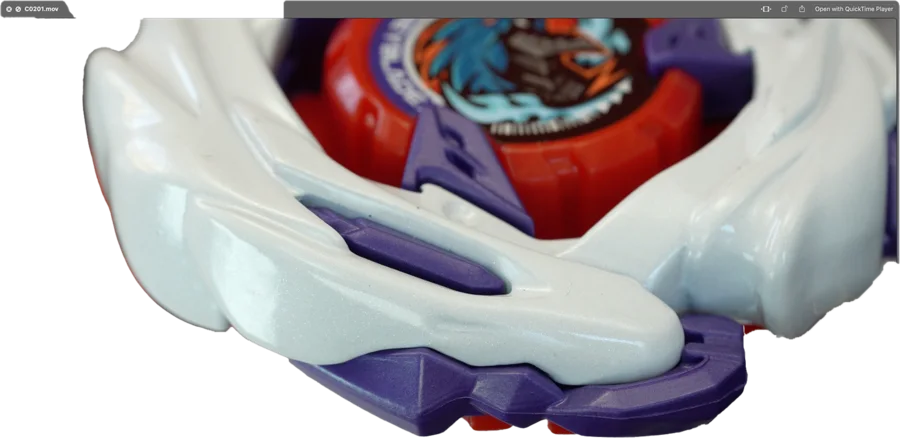
Also, its circumference is smoother than it looks². Even the rubber itself is relatively slick, and while the main jaw has more texture, it’s very thin. Outside of the rear spikes on each head, opponents don’t have many spots to latch onto and push it. On top of that, there currently aren’t any Bits with truly outstanding life-after-death; even Elevate, while decent, is nowhere near what we had back in Metal Fight.
Because of all this, spin stealing can’t be considered its main function, but rather a secondary option that can sometimes save it with a draw or, if you’re lucky, let it win the final rotation—without defining its playstyle.
By contrast, CobaltDragoon is lighter, has a symmetrical circumference³, multiple irregularities, and rear spikes where opponents can catch and push it. Its center of gravity is lower and, while it isn’t perfectly stable, that slight imbalance can actually help it through inertia to win late-game spins more often, making it a much more reliable equalizer.
Where MeteorDragoon truly shines is with its impact power—something neither Meteo nor Cobalt can match.
The front of its heads has brutal force thanks to their shape and the added rubber, whose friction maximizes push to the point that even grabbing it by hand can hurt. That said, not all of its hits are the same, since each head behaves differently.
Even though the main head⁴ looks like the most dangerous because it’s the longest, it has a wider rubber cushion between the metal and the rubber, which dampens its push. When new, it can hit hard, but it deforms quickly, rounding its edges and heavily reducing its power. It also ends up sitting very close to the next wing, leaving little space to catch clean impacts. Its front metal is thinner and angled as well, providing little Smash Attack and only a slight Upper Attack.
Instead, the other two heads are the real foundation of its offensive power5,6. Their edges are narrower but taller, with the rubber almost flush against the metal, which prevents deformation. This allows them to stay consistent and hit hard over time, even with extended use.
Against opposite-spin matchups, its main win condition is pushing them hard. But in head-on clashes, both Beys tend to slow each other down, making the opening hits critical. So if it doesn’t knock them out early while it still has momentum, the battle quickly becomes more stationary. Thankfully, it still has the option to win through rubber contact and spin stealing, which happens more often against other aggressive or stationary Beyblades with irregular Blades. However, against round Blades with low recoil, it has no chance to steal spin.
One important advantage is how often it bounces off stadium pockets, making it harder to take more than one point per battle. This gives it comeback chances, since when it wins, it usually does so by taking multiple points at once. So even if it has no real shot at outspinning Rod or Clock, it does have more chances to push them out compared to CobaltDragoon.
Because of this, its best approach is to maximize initial push power by using wide flat or high-traction Bits, at mid heights (60/70) that keep the rubber constantly in contact, and a launch with very little tilt. This is because when it stays more upright, its impact power increases, as the heads sit in the perfect position to push. Tilt it too much, and the rubber hides while the jaws edges lose effectiveness.
It’s also worth noting that there’s no Ratchet capable of fully balancing it, since it’s meant to be unstable by design. Even so, it’s still worth looking for a combo that helps reduce that instability, improving impact accuracy and slightly boosting stamina. While terrible stamina isn’t a big concern against opposite-spin opponents—thanks to its spin stealing keeping it alive most of the time—it becomes a serious issue against same-spin matchup.
Because against other left-spin Beyblades, things get even worse. The rubber turns into a double-edged sword: if the opponent spins faster or is heavier, recoil increases with every second it loses energy. Add the stamina loss from hitting the stadium walls—something that happens often due to its erratic movement—and with its awful spin time, its window of action is very limited.
So even though it can land lethal hits, it has too much working against it, to the point where CobaltDragoon usually beats it without much trouble. In these matchups, it’s better to launch it with more tilt to look for cleaner attack patterns and favor metal contact to slightly reduce recoil. That’s why against same-spin opponents, mid-low combos work better, keeping the rubber from taking center stage.
In short, MeteorDragoon is not a spin-stealing Blade: it’s raw power. It works more like a left-spin DranBuster combined with ImpactDrake.
It doesn’t replace CobaltDragoon, instead it serves as an alternative for players who prefer a far more aggressive and risky style. One wins slowly through consistency; the other rewards you with devastating hits in exchange for higher risk.
So Meteor delivers exactly what the anime promised: a left-spin Blade with brutal impact, designed to push and dominate through sheer force—but one that’s much more demanding to use.
04Ways to use it
On Bits like Point, launched at maximum power to take advantage of the rail while staying upright, returning hits with serious force using the rubber.
For fast, direct frontal attacks. Against opposite spin, it benefits from high-traction Flats to maximize push power, or wider Flats to increase last-spin chances. Just remember to launch with low tilt and mid heights to maximize rubber contact. Against same-spin matchups, it needs less speed and benefits from better control, more stamina, and a steeper launch angle.
05Base combo
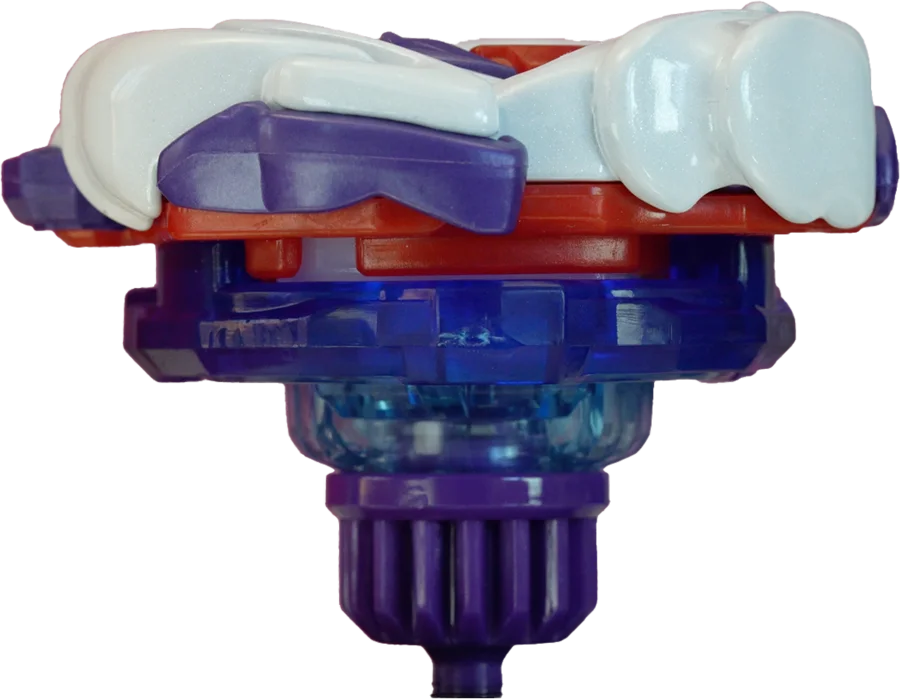
A decent combo that places it at a good height to show its potential against opposite spin Beys. The wide gearing releases strong Xtreme Dashes, and Bit wear isn’t a concern since the rubber helps recover energy. However, the tip is small with low traction, which reduces impact power and its ability to win final spins. This combo is only a glimpse of its real strength.
It performs better against other left-spin Beys, offering solid stamina and control, though it’s personally a bit too tall for my taste.
06Combos
Frontal attack combo. The 7 improves stability, and a wide Flat maximizes impact power. If you want better last-spin chances, go lower; if you want pure damage, standard Flats work best.
A less aggressive variant with better stamina. This gives it more chances to win final spins by staying more upright than most Flats.
Thanks to Elevate, it gains solid versatility. It can stay upright to boost impact power and, more importantly, fully tap into its spin-steal potential, letting it use its best traits.
MeteorDragoon Turbo A highly effective combo that places it perfectly to land full rubber hits. The most interesting part is that it gives two strong momentum windows—at the start of the battle and during the mode change—creating more chances to push the opponent. On top of that, it can still steal spin, since the tip stays upright enough to realistically win final spins.
Starts calmly, letting it absorb the opponent’s hit before dealing heavy damage, then uses the momentum to counterattack, boosted by Gear Point’s traction. Not ideal for spin stealing, but it hits super hard.
 Why does it work this way?
Blader's Path explains it step by step: Bey physics, how to build combos and how to test them.
See the book
07Where to get it
Show products 2
Takara Tomy 1
- UX-17 MeteorDragoon 3-70J Metal Coat: White
Hasbro 1
- G3491 Meteoroid Dragoon Deluxe Left-Spin String Launcher Set · Meteoroid Dragoon 3-70J Metal Coat: White