

00Hunt summary
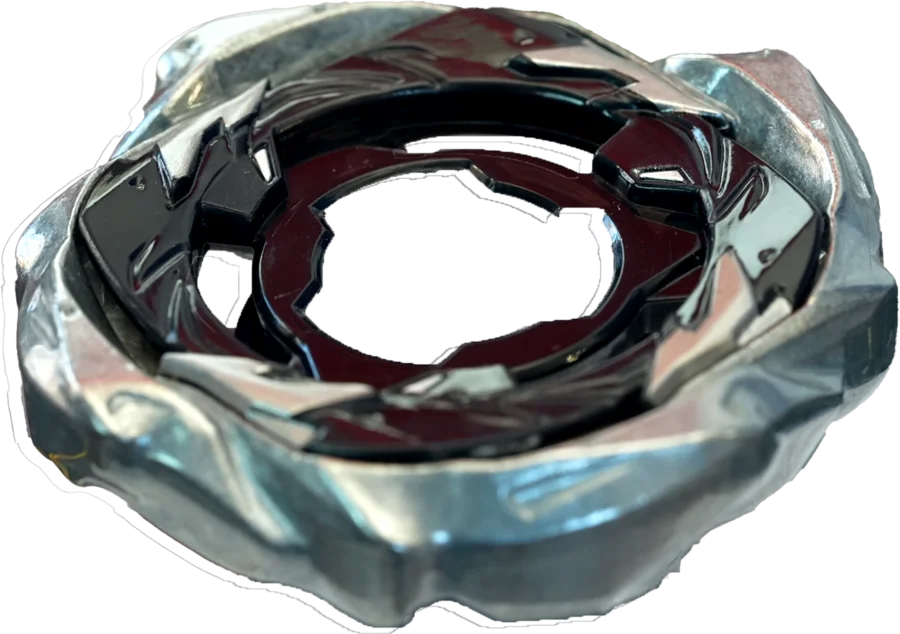
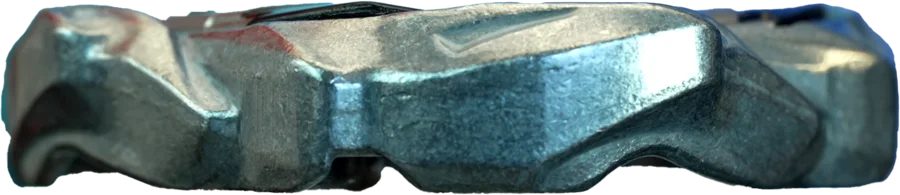
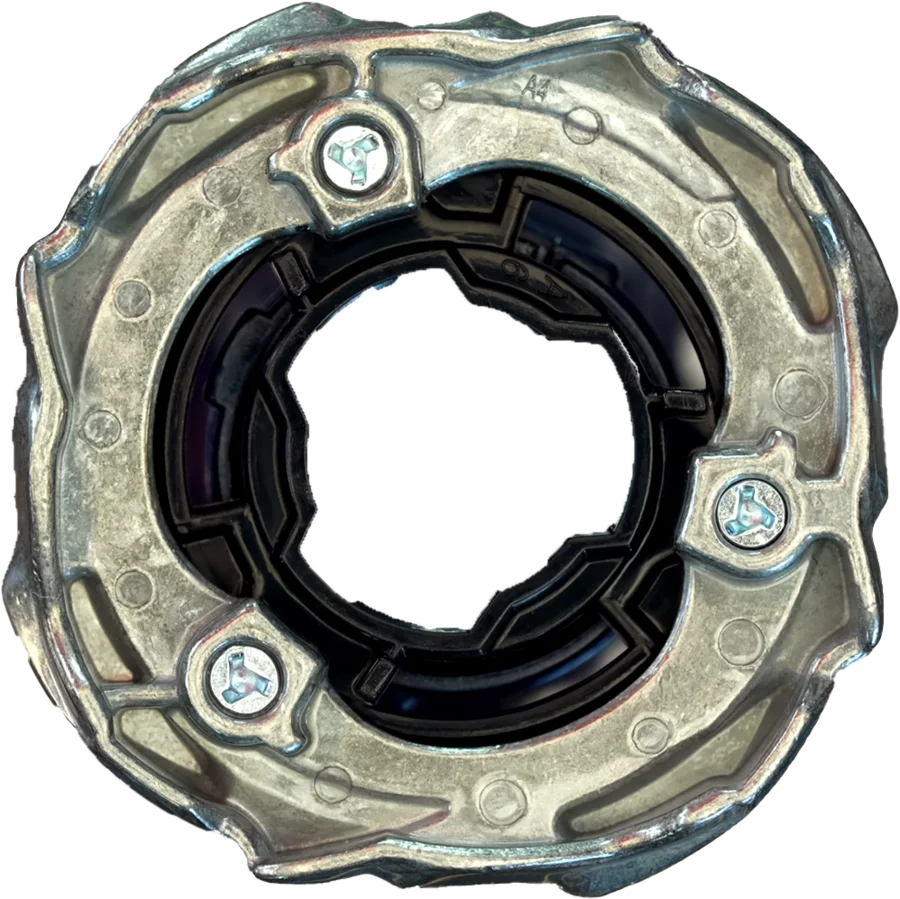
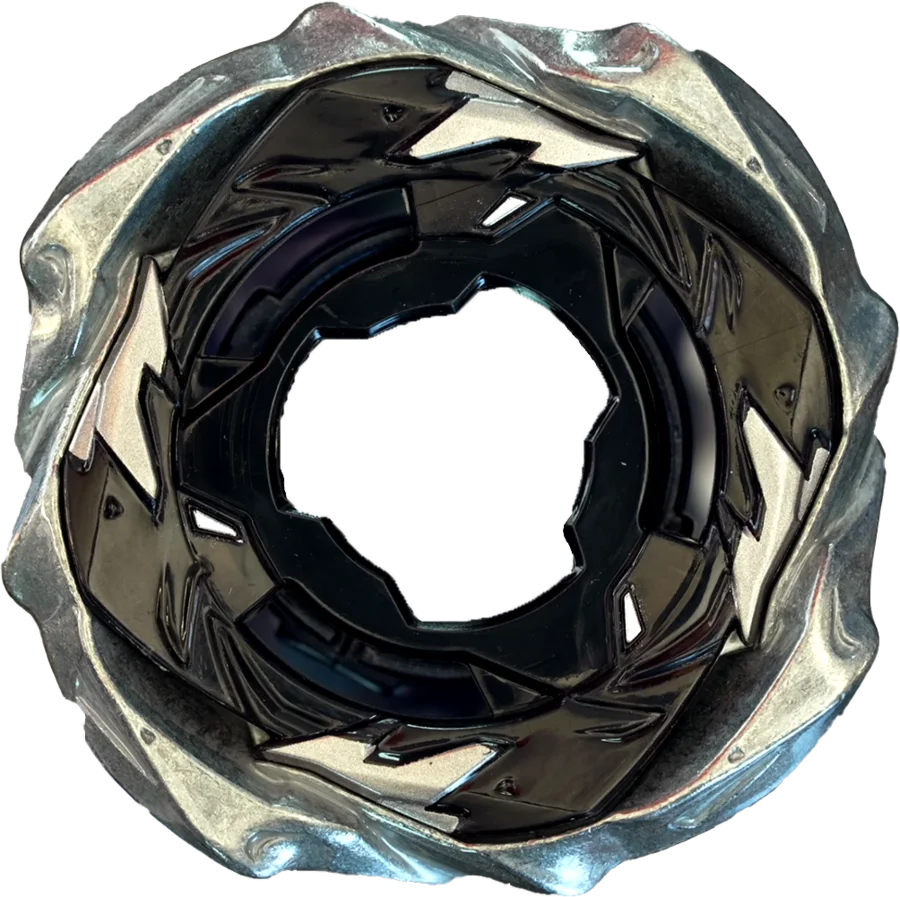
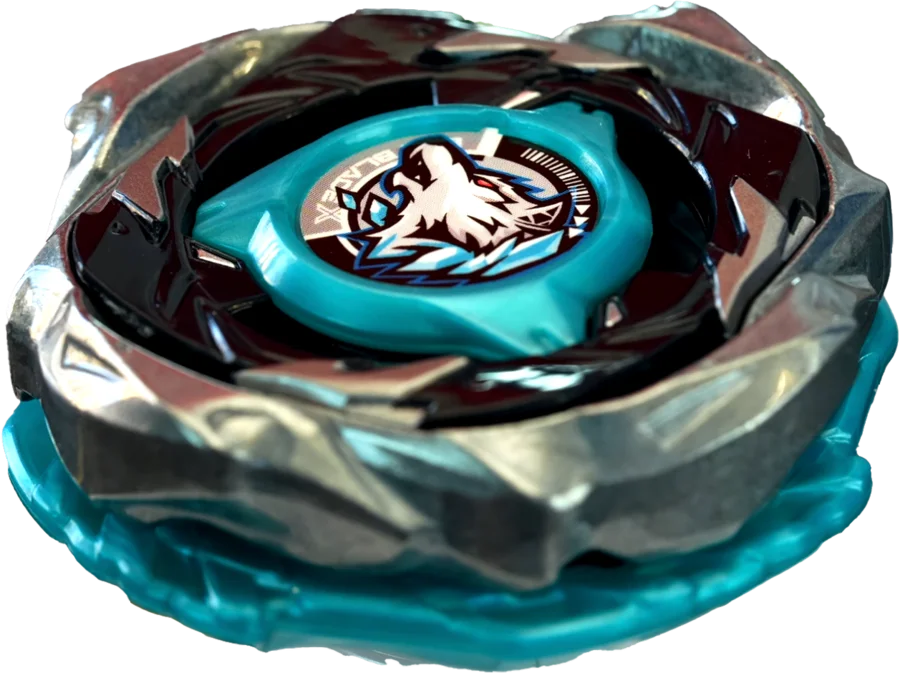
Hunt is a 31.3 g CX Main Blade.
Used in
01Description
It is divided into four sections, replicating Wolborg’s classic silhouette, while the upper plastic represents wolf tails covering the perimeter. Each segment features a very pronounced frontal wall, while the rest of the contour is smoothed out. In theory, it has lower waves designed to crush the opponent, but these sit too far inside the Blade, so once assembled the Assist Blade completely covers them and they become useless. Viewed from below, its structure resembles a shell: the metal edges are thin and most of the weight is concentrated in an upper central ring, resulting in a high center of gravity even for a CX. Combined with its poor aerodynamics, its stamina barely reaches average.
02Performance
Its frontal walls allow it to generate decent pushing power, while its rounded perimeter reflects hits well when taking attacks. The problem is that you cannot prioritize one trait without sabotaging the other. Both areas — the aggressive and the defensive — have almost the same width and are always exposed at the same time. If you try to play offensively, the roundness reduces impact consistency; if you use it defensively, the walls generate significant recoil that drains energy fast and, even worse, makes it very easy to push due to its high center of gravity, completely overshadowing its defensive traits. Because of this, WolfHunt does not work well as a stationary Blade. Its only viable option is staying in motion. For defense, it needs Bits with moderate movement to help reduce recoil while circling the stadium or occasionally countering hits; for attack, it needs Bits with good active time to land hits with the correct zone, so super aggressive Bits do not help it much. Another major issue is its tendency to tilt. Compensating for this is tricky, since Ratchets like 0 or 7 risk scraping the floor, while the metal chip usually worsens stamina, leaving it short at the end of battles. Because of this, Bits that keep it upright can be a solid complement if you do not want to take that risk. The result is a Blade stuck in an ineffective middle ground. You can find some “decent” combos, but it clearly falls behind other Main Blades like Might, Blast, or Arc, which fill similar roles far more efficiently.
03Ways to use it
In combos with moderate movement that let it circle the stadium to dodge the opponent. Here you can use a metal chip to reduce knockout risk and keep it more upright, avoiding excessive tilting.
On semi-aggressive Bits with more potential to seek direct contact while still allowing movement to dodge. Similar to the previous style, but leaning more toward attack.
On flat Bits with aggressive movement, but not the most extreme ones. This fully aims to unleash the power of its walls, so using plastic chips is recommended for more freedom of movement and speed.
 Why does it work this way?
Blader's Path explains it step by step: Bey physics, how to build combos and how to test them.
See the book
04Where to get it
Show products 2
Takara Tomy 2
- CX-10 WolfHunt F0-60DB
- CX-00 KidHunt K4-70TK